Featured From the Archives: Dark and Urban and Contemporary, Oh My! (Defining Fantasy Subgenres)

To say this past week was exhausting would be an understatement of epic proportions. So would saying that I have more than two brain cells left firing at the moment. I’m sure it’s no surprise then, given my publicly proclaimed zombie status (I seriously almost cried over the lack of egg salad at the deli the other night, I was so tired. It wasn’t pretty, people) that I have nothing to offer by way of brilliant new blog content. But, that doesn’t mean I have nothing to offer you at all. There are always my trusty archives, there to fill the void when ingenuity doesn’t. And since we’re heading into what I’m affectionately dubbing Twitter Pitch-Party Season, this series of posts may be quite helpful to those of you getting ready to brave the query trenches. (It will also give me a much needed break so I can actually create some decent — new — content for you.) So, without further ado, and before I face-plant on my keyboard and walk away bearing the letters like a horrible face tattoo, I give you your refresher course on the various genres and subgenres in literature. Do with it what you will.

Dark and Urban and Contemporary, Oh My!

(Defining Fantasy Subgenres)

By Kisa Whipkey

Originally Posted on 5/24/13

I remember, back in the day, (nothing makes you feel old like starting a sentence with “back in the day”) fantasy and sci-fi were commonly known by only two genre names — fantasy and sci-fi. Okay, maybe that’s not 100% accurate. There were probably a few subgenres, but those only really mattered if you were inside the publishing industry. Readers didn’t care about the distinction. Maybe they still don’t. I don’t know. But bookstores do, agents and editors do, and the Mighty Zon’s recommendation algorithms definitely do. Classifying your book with the correct genre headers can mean the difference between actually finding readers and getting lost in a sea of other titles like a piece of driftwood. But with a plethora of subgenres to choose from, how is a writer supposed to figure out where their book fits?

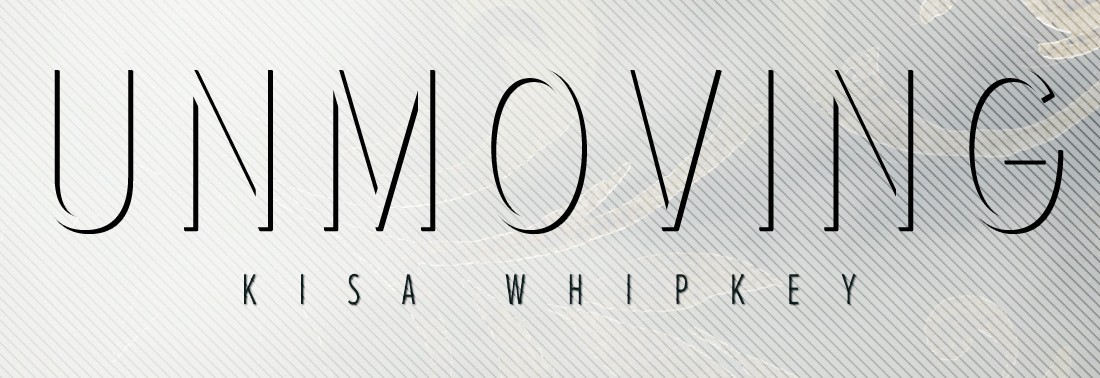
Fantasy alone has 31 recognized subcategories. 31! So it’s no surprise that the distinctions between them can begin to blur. I know. I’m guilty of doing it myself. On any given occasion, I’ll declare Unmoving either Urban Fantasy, Contemporary Fantasy, or some combination of the two. Because the truth is, I didn’t really understand the difference. In my mind, they were virtually the same thing. (And, in the years since I first wrote this post, I’ve learned that neither actually apply to Unmoving. It is, in fact, Magic Realism. So you see why this post is necessary. Even I got it wrong!)

Further research proved that although Urban and Contemporary are indeed very similar, they also have distinct differences that set them apart. Curious what those distinctions are? I thought you might be. Which is why I’m going to use my newfound knowledge to give you a breakdown of the more common fantasy subgenres. That way you can declare your work a Comic/Arthurian/Steampunk masterpiece with confidence. Or, you know, whatever combination of subgenres it happens to be. 😉

Alternate History Fantasy

This type of fantasy takes real world events and creates an alternate outcome, resulting in a fictitious world that may still resemble ours. For example, Alternate History asks questions like, “What if we had lost World War 1 or 2?” The resulting progression of history from that deviating point would be the goal of the story, allowing the author to play with imaginary elements (including the light use of magic) while keeping the believability of the timeline.

Arthurian Fantasy

Just like the name implies, this includes any story inspired by the King Arthur legends. Whether it’s a literal retelling or simply based within that world, this subgenre is fairly straight-forward. Probably one of the most well-known examples of this is The Mists of Avalon by Marion Zimmer Bradley.

Comic Fantasy

This is the spoof category, where you’ll find over-the-top situations featuring fantasy elements. Whether humorous or satirical, this subgenre is meant to amuse. Common examples include the Xanth novels by Piers Anthony, Monty Python (I know, not a book), and to some extent, The Princess Bride by William Goldman.

Contemporary/Modern Fantasy

Contemporary Fantasy simply means it’s fantasy set in modern times. Magic and magical creatures mix with the everyday world we all know. The important thing that distinguishes this from Urban Fantasy is the location. Unlike Urban Fantasy, Contemporary can take place in any setting, as long as the time period is current. It also tends to be lighter in tone than its Urban counterpart.

Cross-Over Fantasy

When I first saw this, I thought it was referring to the blending of fantasy with other non-fantasy genres. But actually, it refers to stories where the characters can cross between realms and/or time periods. The only example I can think of that fits would be the Magic Kingdom of Landover series by Terry Brooks.

Dark Fantasy

Ah, my favorite subgenre and the one that most of my work falls into. Dark Fantasy contains elements of horror, so you’ll see a lot of the darker supernatural creatures appear here. But it also refers to the overall tone of a piece. Dark Fantasy is grittier than it’s more traditional brethren, dealing with the nastier bits of humanity’s psyche. There can be (and often is) a significant amount of violence and gore, and it usually contains themes meant to make a reader slightly uncomfortable. So even if there are no vampires, werewolves, demons, etc, a novel can still be classed Dark, simply by it’s voice and subtext.

Epic/High Fantasy

Otherwise known as your stereotypical idea of fantasy. This is the bread-and-butter of the genre, and the one I expected to write in when I first started out. (It wasn’t until I was much older that I realized I found the intricacies of personality and psychology far more fascinating than the intricacies of politics and fictitious cultures.) Hallmarks of this subgenre include immense, sprawling worlds with rich histories and more detail than most readers would ever care to know. Expect to see hand-drawn maps and be introduced to intricately crafted cultures, magic, and political maneuvering. Think Tolkien’s Lord of the Rings. Enough said, right?

Fairy Tales/Mythology

What would fantasy be without Fairy Tales and Mythology? Although many of the original Fairy Tales have been watered down for modern sensibilities, the original stories were often violent, dark, and twisted, meant to terrify children into learning a lesson. This is a subgenre rich in the history of storytelling, drawing on thousands of years of cultural traditions and is an endless well of inspiration for fantasy writers. Many of the books currently on the market can be boiled down to the retelling of a Fairy Tale or Myth, including my own WIP, which draws loosely from Sleeping Beauty.

Heroic Fantasy

Where Epic Fantasy focuses on the world and the overarching idea of good vs. evil, Heroic Fantasy focuses on the characters, primarily — you guessed it — the hero. Think of Epic Fantasy as a bird’s eye view and Heroic Fantasy as the close-up. Often, it will feel very similar to Epic/High Fantasy, with medieval settings, magical creatures, and good vs. evil. But it will stay closer to the hero’s personal journey and growth as a character, and often features a true damsel-in-distress.

Historical Fantasy

Historical Fantasy is the long-lost brother of Historical Fiction. It takes an actual time or event from history and blends in fantasy elements similar to the way Contemporary and Urban Fantasy do. Starting to get confused yet? Yeah, me too.

Low Fantasy

High Fantasy consists of large sweeping worlds, epic battles, and a ton of detail, right? So it’s safe to assume that Low Fantasy is the exact opposite. It usually contains little to no magic and more ordinary surroundings. This is a subgenre that is rarely used anymore, since it appears that writers who want this sort of thing tend to aim for the more contemporary variations — Modern or Urban or even Juvenile (strictly for kids). Kind of makes you wonder why it’s still considered a thing if no one uses it, huh?

Literary Fantasy

Literary Fantasy was created for all the snobby writers who didn’t want to be left out of the fun. (Just kidding.) This subgenre focuses on the actual writing rather than the other elements of storytelling. It uses things like format and style to deliver its message, often creating progressive narratives that don’t appeal to the mass market. Just like the Literary genre is aimed at a niche of highly intelligent readers, Literary Fantasy targets readers who like a little imagination in their pretension. 😉

Magic Realism

This refers to the type of magic included in a tale, and as such, is most often seen paired with another subgenre. Magic Realism means that magic is an accepted part of the story’s world and operates under a strict set of rules. There are no unexplained, miraculous saves by magic allowed in this subgenre and using magic is often followed by negative consequences. The need for implements and tools to channel magical abilities is also commonplace here, giving magic a requirement of skill and work rather than mere blessed luck.

New Weird/Slipstream

This is a sister subgenre to Literary in that it actively tries to break the conventions of fantasy. The landscapes and characters are often bizarre, and the language can be highly stylized or poetic.

Paranormal Fantasy

This subgenre has seen a massive boost over the past decade, thanks to the ever-popular variation of Paranormal Romance. By its most basic definition, Paranormal means anything not normal. (Well, no S*** Sherlock, you don’t say.) So the same cast of inhuman creatures that show up in Contemporary, Dark, and Urban Fantasy show up here. (Man, those vampires and werewolves really get around!) The most common plots seen in this subgenre are the romantic ones, which are often combined with a detective/police element. (Because only sexy cops can see the supernatural, apparently.) But you will also see the age-old battle of good vs evil and heroes trying to stop the nonhuman from taking over the world.

Romantic Fantasy

This subgenre combines Romance with fantasy in one powerhouse combination. How is that different from Paranormal Romance, you ask? Paranormal Romance is usually dark and gritty, and Romantic Fantasy doesn’t have to be. Romantic Fantasy focuses on the romance itself, relying on the question of “will they or won’t they” to drive the plot, while the love story can simply be an added bonus in Paranormal Romance.

Sword and Sorcery

This is another staple of the fantasy genre. Back in the early days, (Ack! There it is again! The reminder that I’m old) if you weren’t writing Epic Fantasy, you were considered Sword and Sorcery. This is an action-driven subgenre, with sword-wielding heroes facing off against magic-wielding villains in brutal battles to the death. It’s kind of similar to Heroic Fantasy in that way, where the war between good and evil takes center stage. But where Heroic Fantasy focuses on the character, Sword and Sorcery cares only about the badass fight scenes.

Steampunk Fantasy

This is another fairly new subcategory. Pulling from the Steampunk movement, Steampunk Fantasy lives in an alternate universe where combustion was never discovered. Technology is reminiscent of the old west, with steam-powered everything, and the settings are usually Gothic or Victorian with a definite feel of the Industrial Revolution. Plots in this subgenre typically pull from similar themes as Dark and Urban Fantasy, with those promiscuous vampires, werewolves, and demons popping up yet again. The important thing about this subgenre is the adherence to the rules of Steampunk.

Urban Fantasy

Last, but not least, we have Urban Fantasy. As mentioned above, during our definition of Contemporary Fantasy, Urban Fantasy is dark by nature. It’s gritty and bloody and showcases the uglier side of humanity. And it absolutely has to take place in a city. Hence the “urban” designation. But, unlike Contemporary/Modern Fantasy, that city can be in any time period. Most often, it will be current times, but it doesn’t have to be. Which is why you’ll also see a lot of the Urban style in Steampunk and Paranormal.

So, there you have it. A cheat sheet to some of the more popular fantasy subgenres. This is by no means a comprehensive list, so if you feel I’ve overlooked an important one, (or gotten the definitions completely wrong) feel free to add/fix it via the comments below. As you can see, many of these subgenres overlap, or can be combined to create new ones, making the task of defining your book all the harder. But hopefully I’ve helped clarify things, at least a little. I know I’m much more confident defining my work now, after learning all of these. Are you?

From the Editor’s Desk: The Works of Scott Hughey

Wow! It’s been ages since I’ve done one of these.  I’m slacking. Who here even remembers the premise of these posts? No? Let’s refresh our memories, shall we?

As an editor (both freelance and under REUTS Publications), I have the wonderful opportunity to see amazing novels during their developmental phase. And I wanted to find a way to share them with all of you as they became available. (I also wanted to find a way to help support the authors that trusted me with their manuscripts.) So think of these posts as my own personal book recommendations, straight from the editor’s desk.

Today’s edition brings you a dual entry from talented new author Scott Hughey. First up, his novella:

Already Seen by Scott Hughey

It isn’t every day your wife dies in a car accident, twice. For Nathan Summers, discovering he can reset time, and change the future by focusing on a moment in the past, is easily the best thing to happen to him . . . this week. Okay, ever.

He can’t wait to use his ability to get one-up on his perfect, cocky, and successful brother-in-law, Wade, who’s the kind of son his mother always wished she had. Only, Wade knows all about resetting time, and he warns Nathan that they aren’t the only ones who can do it.

Alice, is a mysterious woman who will do anything to gain power while eliminating the competition. She learns that Nathan shares her talent for twisting time. Now she’s kidnapped Nathan’s wife, and framed him for a horrendous crime.

With time for Nathan’s wife running out, Alice offers an exchange. Nathan’s wife for his reset point, and his life.

Already Seen is a fast-paced, brilliant thrill-ride with a side of snark. Containing one of the best opening lines — “The first time I killed my wife, I made a horrid spectacle of myself.” —  it combines humor, reminiscent of the TV show Chuck, with the multi-layered storytelling mechanic of Inception. I knew from the second I read its premise that I was going to love it, and Hughey didn’t disappoint.

Nathan is a normal guy with an average life. He’s married, works as a cell phone salesman, and has a complex about his perfect brother-in-law. But all that changes when he discovers he has the ability to morph time. Triggered by a car accident that results in his wife’s death, he suddenly finds he can jump back to a set point in the past, an ability that gives him unlimited do-overs.

But he’s not the only one who can manipulate the future, and he soon discovers that having this skill makes him a target. Wade, the always perfect brother-in-law, also has the ability, but for once, he’s on Nathan’s side. There’s an enemy greater than their petty rivalry, and she has Nathan in her sights. Determined to collect his reset point for her own, Alice kidnaps Nathan’s wife, setting him on a path that will take him as far out of his comfort zone as possible. But maybe, with Wade’s help, he just might be able to survive.

Loosely based on the idea of video game save points, Already Seen is a well-written, original take on the idea of time travel. With shades of superhero awesomeness, and infused with moments that are both heartfelt and poignantly human, this novella is easily one of the best things I’ve read so far this year. The prose is effortless and laced with Hughey’s signature wit. My only complaint was that it ended. That said, it is a self-contained novella, and the ending is definitely satisfactory.

I really can’t recommend this one enough. So, before we move on to his other work, here are the buy links for Already Seen:

Amazon | Barnes & Noble | Goodreads

And now, the second offering from Scott Hughey:

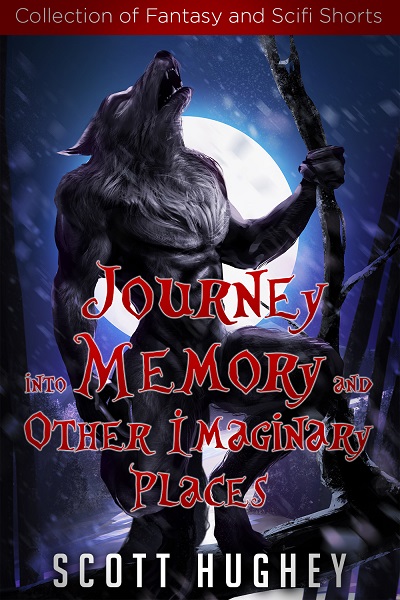
Journey into Memory and Other Imaginary Places by Scott Hughey


What happens when you can travel through feelings and memories like others can travel down the road? And what would happen if a werewolf, a vampire, and a zombie walked into a bar?

Enjoy this collection of fantasy and science fiction short stories, ranging from light-hearted comedy, to dark and poignant sci-fi drama. This collection contains two 100-word stories, for reading in a flash, two traditionally sized shorts, and end with a novelette sized story for a longer read.

This Is Not A Bar Joke- What happens when a vampire, a werewolf, and a zombie all walk into a bar at the same time?

Cheating Death- It’s Death’s first day on the job, and he’s already messed things up.

Don’t Feed the Fairies- A nine year old girl tries to manipulate the tooth fairy, and as a result has to confront her fear of wolves.

Bad News Bear- Ever wonder what really happened to Goldilocks? Surely three talking bears with (apparently) opposable thumbs wouldn’t let her get away so easily.

Journey Into Memory- Kris Lichnev had everything. A beautiful family, a new world to raise them on, and a dream job. In that world, money really could buy love, along with any other emotion, and Kris was one of the few people with the ability to sell. So why did he give up his luxurious life? More to the point, what made him suddenly willing to start digging through those memories again and sale them on the black market?

Journey Into Memory (I’m truncating the title for the remainder of this review) is an anthology containing works of several different lengths and tones. This is Not a Bar Joke is perhaps the most quintessential in terms of Hughey’s comic abilities, but my personal favorite is the longest of the collection — Journey Into Memory. As much as I enjoy Hughey’s sarcasm and often dark sense of humor, it’s his ability to craft intricate, complex narratives that really captivates me as a fan. And Journey Into Memory is nothing if not intricate.

Kris Lichnev is a broken man when we first meet him. He once had everything he wanted — a beautiful family, a dream job, all the things humanity strives for. But an accident ripped it all away, claiming his daughter’s life and his marriage in the process. Now, he wants it back, and he’s willing to do whatever it takes, including selling emotions on the black market.

The story itself is tragic and beautiful and will tug on your heart strings, but the idea of emotion mining, of sifting through memory and collecting the feelings contained within, is downright brilliant. The narrative is structured in such a way that you see both the past and present unfold simultaneously, creating a rich experience that rivals the depth of many longer works.

If you’re a fan of shorter fiction, or looking to discover a promising new writer, I recommend checking out everything by Scott Hughey. I suspect we’ve only scratched the surface in terms of what his talent has to offer, and I, for one, will be waiting not-so-patiently for him to release a full-length novel. In the meantime though, I will snatch up anything he chooses to publish, and highly recommend that you do the same.  Here are the buy links for Journey Into Memory, so you can do exactly that:

Amazon | Goodreads

Announcing the 2014 Holiday Giveaway Winners

Congrats Wooden Letterpress Concept


Welcome, and happy Friday! The long awaited moment has come — it’s time to reveal the winner of my 2014 Holiday Giveaway. First, let’s do a quick refresh of what that particular giveaway was, shall we? 😉

One lucky person is walking away with the following:

  • A comprehensive, top-to-bottom, full manuscript edit (structural & line edits)
  • A polished, publish-ready eBook cover design (generously donated by Ashley Ruggirello of Cardboard Monet)
  • Assistance creating the all-important book blurb
  • A final proofread of the type-set, ready-for-print galley (typesetting/formatting itself is not included though)

And, because that’s not enough, I have a last minute, and exceedingly generous, donation to add to that list from REUTS Publications Marketing Director and author of the upcoming debut Link, (Book 1 in The Shadow of Light Trilogy) Summer Wier. That lucky winner will now also receive marketing assistance — including a marketing plan, a book trailer, and teasers. Everything a self-published author needs to help their release day make a splash. Are you floored by the generosity yet? That’s essentially everything you could ever need (except for layout), FOR FREE. Someone’s day is about to get a whole lot better, I think.

So . . . who is this lucky soul everyone is going to hate? Well, ladies and gentlemen, after much consideration (remember, I was looking for the person I felt would most benefit from a package like this, not necessarily the most polished — and let me tell you, you all had some amazing entries, making my job a billion times harder), the winner of my 2014 Holiday Giveaway is:


The Grave Clothes Laundress by Talynn Lynn

 
Let’s all give her a round of applause! Come on, I know you can do it. 😉

BUT, because you all impressed me so much, there’s more! If you ran away in disappointment, you’re likely to regret that choice in a minute, because I’ve decided to give six — yes SIX — people surprise runner-up prizes. It’s not as spectacular as the grand prize, perhaps, but hopefully will provide some value. I’m offering these winners a free Reader Report, which is an analysis of the full story from the point of view of an acquisitions/developmental editor. It doesn’t provide line edits, but I can tell you areas that could possibly improve your work and potentially land that elusive book contract. (And, for those that like to know the dollar amounts, it usually costs $200-500.) That’s not too shabby, right?

The lucky winners of these prizes are:
 

The Portal by Emily Pichardo

Embers by Kiran Oliver

Identity Crisis by Susan Nystoriak

Hello World by Tiffany Rose and Alex Tauber

Beyond the Wild by Kelsey Simon

Between Realities by Crystal Christie

 
And there you have it. I wish I could have given all the entries a prize, but my schedule just wouldn’t allow it. I truly enjoyed reading all of them though, and urge you to continue your paths to publication. You are all talented writers, and you’ll find success. It’s only a matter of time. (In fact, for those of you who also submitted to a certain small press I represent, you may be hearing good news of a different variety in the very near future.) Thank you all for your support of the giveaway! It was a monstrous success, which means I’ll likely do it again at some point. But for now, I’m off to another weekend in the editing cave. If I listed your name, expect to hear from me this next week with more information on your prize.

Until next time! 🙂

What Not to Do When Querying

As Editorial Director for REUTS Publications, I’ve been privy to first-hand knowledge of publishing’s “mysterious” acquisitions process.  And over the past two years, I’ve witnessed innumerable querying blunders that hurt the author’s chances, rather than helping them. I’m not the first to offer up this kind of advice-oriented post, but armed with personal insight and pet-peeves, I thought I’d add my own thoughts into the mix.

So, with only a modicum of tongue-in-cheek snark (okay, make that a lot of snark), I give you:

What Not to Do When Querying

(aka How to Piss Off an Acquisitions Editor)

There are plenty of posts out there that explain what you’re supposed to do when querying, the steps that are supposed to lead to that coveted moment where someone offers you representation. There are also posts that tell you what to avoid. But I don’t know that I’ve seen anyone really say the following, in all its blunt glory. Because the truth of the matter is this: there are definitely things you can do as a writer to increase your chances of a book deal, but there are also plenty of ways to blow it. (Also, it should be noted that this information applies to agents as well, not just acquisitions editors.)

So let’s break down some of the worst publishing faux pas you can make, yes?

DO:

Submit to publishing houses and agencies that interest you.

DON’T:

Submit to them blindly, and then ask a bunch of questions about how they operate. That’s something that needs to come first and is a dangerous game to play. Vet the places you’re planning to query before you hand them your work. Not after. That wastes everyone’s time, and there’s nothing agents and editors hate more than wasting time. We have precious little of it as it is. Be courteous and ask your questions up front, please. Most of us are more than willing to answer.

DO:

Query agents and small presses.

DON’T:

Query them both simultaneously, and definitely, definitely don’t use a small press as leverage for attaining an agent’s interest.

This one’s two-fold, so let’s start with the first half: don’t query agents and editors simultaneously. Small presses are fantastic. So are agents. But they lead to two completely different publication paths. And there’s nothing we despise more than falling in love with something, only to discover that the author wasn’t serious about working with us after all. It breaks our literary-loving hearts. So please, know where each publication path leads and which one is right for both you and your project.

Which brings us to the second half. This is a serious faux pas, and one I hope none of you ever commit. Never ever use a small press for the sole intent of gaining interest from an agent. Leveraging an offer of publication from a small press to get an agent’s representation (or even a bigger publisher) is like dangling a wedding proposal from someone you pretended to like in front of the mate you really want. It’s mean, and cruel, and makes you a horrible person. It’s also a sure-fire way to end up on a publishing house’s Black List. Yes, we have those. And publishing is a small world; we talk. So be careful which bridges you burn. Treat all parties involved with respect and professionalism. If you want an agent, don’t query small press editors. If you receive an offer from somewhere else, tell us. There’s a perceived divide in publishing, the us vs them mentality, but we’re all just people. And we all just want a little consideration. Is that too much to ask?

DO:

Research the various agents and editors you’re querying. Find out what they like, personalize your query, follow their submission guidelines, and all that other stuff you’ve seen touted a million times. It’s good advice. We appreciate that.

DON’T:

Spam your submission to everyone at the agency/publishing house. And definitely don’t resubmit the same query, after receiving a rejection, to someone else within the company. Publishing houses are like families. We all know everyone else, and we know what they like. So if we see a submission cross our desk that isn’t a fit for us, but would be for one of our colleagues, we’ll tell you. Better yet, we’ll tell them. (Or, alternatively, acquisitions can be a team effort, as it is at REUTS, and everyone who has a say has already read your work prior to the decision being issued.) Talking about books is one of the reasons we got into publishing, so you can bet our water cooler conversations revolve around that too. If you receive a rejection, accept it gracefully and move on.

DO:

Keep track of your submissions and the response times associated with each.

DON’T:

Incessantly hound an agent or editor for a decision. Wait until the listed response time has passed and then politely — key word there: politely — nudge for a response. Submission in-boxes are the first to brim over with a plethora of time-consuming tasks. And as I said above, editors and agents are incredibly busy people. Reading actually falls low on our priority scale, as our days are usually spent dealing with the various tasks associated with producing the projects we’ve already signed. So reading the new queries that rain down like, well, rain, is a luxury we don’t have on a daily basis.

We know you’re excited for your work, and that you can’t wait for that glorious day when someone from our side of the fence is equally excited for it, but constantly yapping at our heels like a chihuahua does nothing but annoy us. We don’t appreciate being backed into corners, and if you push too hard, guess what the answer is: NO. That’s not the relationship you want to have with your potential publishing allies, is it? You want someone to appreciate those words you slaved over, to savor the story you carefully crafted, and to join you in screaming its brilliance from the rooftops. Rushing a decision allows for none of those things. The most you’ll get is a half-assed read-through and a reluctant yes. Patience really is a virtue here, people. As much as it sucks, it will benefit you in the long run.

DO:

Follow agents, editors, and publishing houses on social media and interact with them. Forming networking connections is a fabulous way to form relationships that further your career. But be careful. There’s a fine line between creating useful contacts and this . . .

DON’T:

Abuse the accessibility social media gives you. We’re there because we genuinely want to meet the authors behind our next favorite read. We want to support the writing community and foster a kinship that bridges the gap between publisher and author. And we want friends who like what we like. We’re human. It happens.

We’re not there so you can harass our every waking moment with status requests, update requirements, or attempts to pressure us into taking your work by leveraging the opinions of others who have read it. That’s not the best impression to make, so just don’t do it, okay? There are a lot of factors that go into an acquisitions decision, but endorsements from random Twitter buddies isn’t one of them. Now, maybe if your random Twitter buddy is Stephen King or JK Rowling, that might be different. But still, save that for the query letter, or better yet, get them to blurb your book after it’s signed.

DO:

Create an online persona, platform, and all that good stuff.

DON’T:

Parade things you don’t want the world to see. One of the biggest factors in an acquisitions decision is actually whether or not the team involved would want to work with the author. So, in that sense, submitting a query is on par with a job interview. And guess what? We do our research. We may love your talent, falling all over your manuscript with gushing adoration, but if we discover that you’re the world’s biggest Prima Donna on social media, guess what? Your appeal just went down. Don’t get me wrong, opinions are great. Everyone has them, along with a certain piece of anatomy that usually accompanies that phrase. But think about how your opinions may be perceived by someone on the outside.

Shaming other authors, railing against other publishers, responding horribly to a rejection, and whining like an attention-starved kitten are not appealing things in a potential partner. Would you date someone who checked those boxes? Probably not. So can you blame us if we don’t want to work with that person either? Publishing is a long-term relationship, taking months or years to come to fruition, and you can be darn sure we’re not going to want to work with someone who will make that time an ulcer-inducing, grey-hair creating pain-fest. You could have the most brilliant masterpiece, but if you yourself are a piece of work online, I’m pretty sure you can guess what the verdict will be. So the moral here is this: think about your online persona. Craft one that will be appealing to both your audience and your potential publisher. And generally try to avoid things that would fall under the heading “authors behaving badly.”

The take-away from this candid look at the publishing process is simple, really. It all comes down to common courtesy. Editors and agents are people. As in human. As in we have lives and obligations and families too. And just like you want us to shower you with glowing praise and go to the ends of the earth to champion your project, we want you to understand that your manuscript is not God’s gift to publishing. We may think it’s brilliant, it may be among our favorite reads of all time, but it’s definitely not the only one we’re working on. Show respect of that fact, handle your interactions with poise and professionalism, and you’ll manage to avoid every single one of the querying faux pas I just listed. Sound like a plan? 😉


Book Feature: Fifteen by Jen Estes

Fifteen by Jen Estes


This week has been nothing short of hectic. Between work field-trips, frustrating encounters with mundane things, and a bout of dizziness that never seems to end, I failed at reading. But that doesn’t mean I can’t showcase another fantastic book you should all go check out. As part of the blog tour, I’m happy to bring your attention to yet another interesting, original offering from Curiosity Quills Press.

Similar to the last book I featured, this YA read contains a unique twist on the concept of time travel (I’m sensing a theme in my reading choices this year), and promises to be a multi-layered web of intrigue, criss-crossing timelines, and mystery. The part I have read is quite enjoyable, and I look forward to being able to share my full thoughts on it in the near future. But in the meantime, here’s the blurb:

Legend has it if you die in your dreams, you die in real life. Fifteen-year-old Ashling Campbell knows that’s not true because when she closes her eyes each night, she doesn’t dream about public nudity or Prom dates. Instead, she’s catapulted to the front row of her future self’s execution — fifteen years from now– where monsters have taken control of her hometown and she, or rather, her 30-year-old counterpart, is their public enemy number one.

For three months and counting, it’s been the same dream . . . until an encounter with an antique dreamcatcher. Ash falls asleep to discover she’s no longer a mere spectator in these dreams – now she’s astral-projecting into the body of her future self. Each night, she goes on the run with a ragtag group of rebels – who have no idea she’s really a high school sophomore and not their noble warrior. She has to make it through each night so that she can wake up and find a way to change the future. For every action she does in the present day, she falls asleep to discover it had an equal impact fifteen years later. It’s up to her to manage her two worlds and make sure she’s still got a place in both.

Intriguing, right? I’m a complete sucker for this kind of narrative (probably, at least in part, due to my own WIP). If you are as well, then this book should be right up your alley. Go add it to your TBR pile! 😉

About the Author:

Jen EstesBorn and raised in the Midwest, Jen had to choose between staring at corn or reading books. Corn husks just didn’t have the appeal of the Baby-Sitters Club, and so a bookworm was born. Reading later turned into writing and in 2011, Jen published her first novel with Camel Press. After releasing four books in the mystery genre, Jen finally gave in to the literary demands of her inner teenager with her YA debut, FIFTEEN (The Dreamwalker Diaries).

Jen is an active member of the National Writers Union. As an author, she has been featured in Penthouse Magazine, the State Journal-Register, Mystery Scene Magazine, and more. When she isn’t writing, Jen enjoys sci-fi in all its mediums, attempting yoga, using her passport, watching baseball, and reading a good book. She lives in Illinois with her husband Nathan under the tyranny of their three cats: Wrigley, Ivy and Captain Moo. To balance the feline:human ratio, they are expecting their first child this spring.

Find Jen Estes Online:

Website | Facebook | Twitter | Goodreads